
A dentist may recommend a night guard when an examination suggests your teeth need protection from grinding or clenching. The recommendation can be based on tooth wear, chips, changes to existing dental work, or jaw symptoms, even if you have not noticed a problem yourself.
You should understand what your dentist found, what the appliance is intended to help with, and how its fit will be checked.
If a dentist in Kansas City has recommended a night guard, you may want to understand the reason before deciding. At Southtown Family Dental in the Waldo/Brookside area, we explain what we found and how an appliance may fit your care.
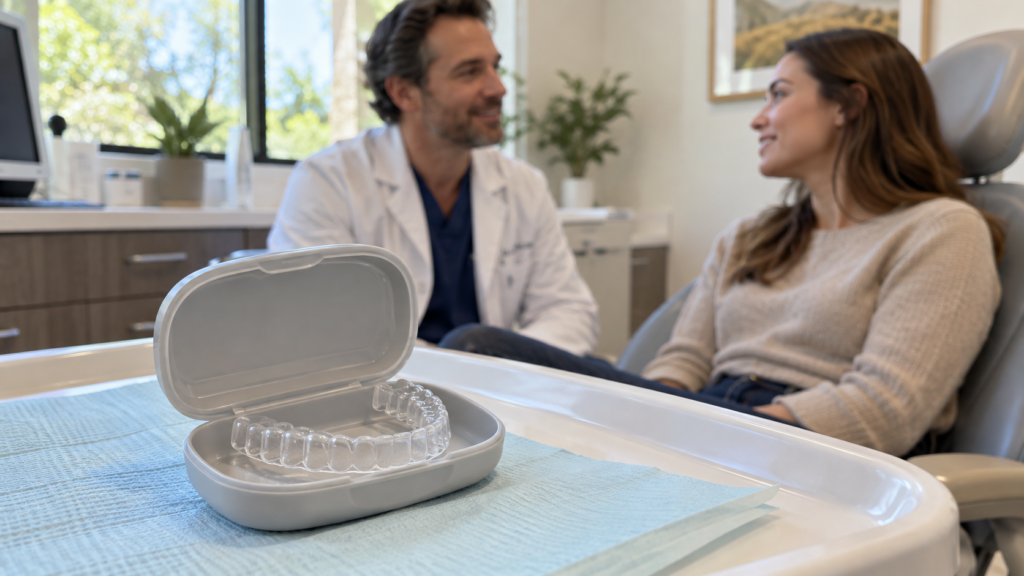
What Is a Night Guard Designed to Do?
A night guard is an oral appliance worn over the upper or lower teeth during sleep. It forms a protective barrier between the teeth to help limit the effects of grinding and clenching.
Grinding means rubbing the teeth against each other. Clenching means pressing them together with force. These habits are called bruxism, and they can happen while you are awake or asleep.
A guard helps protect teeth, but it does not guarantee that the habit will stop or that jaw discomfort will disappear. The dentist may recommend additional measures depending on your findings and symptoms.
Southtown Family Dental provides custom night guards following an evaluation. The appliance is made for your mouth, and the team checks its fit before explaining how to use it.
What Findings May Lead to a Recommendation?
Your dentist considers several pieces of information rather than relying on one symptom.
Wear on the Teeth
Flattened edges or worn chewing surfaces may prompt a closer look at grinding or clenching. Your dentist can assess the pattern and extent of the wear and consider it alongside your history.
The question is not simply whether some wear exists. It is whether the findings suggest a need for additional protection or other treatment. Existing wear does not, by itself, explain when or why it developed.
Chips or Damage to Dental Work
Grinding forces can be relevant when assessing damaged teeth or restorations. A dentist may discuss protection when you have a history of chips or dental work that could be affected by repeated pressure.
A night guard does not repair a chipped tooth, filling, or crown. If damage is already present, repairing it and considering protection are separate parts of the treatment discussion.
Sore or Tired Jaw Muscles
Some patients describe a tired jaw in the morning, muscle tenderness, or discomfort around the face. These symptoms can lead the dentist to ask about grinding and clenching.
They can also have other explanations. Your dentist should assess the symptoms before deciding whether an appliance is appropriate. Whether a guard can help with discomfort depends on the cause and your individual findings.
Why Might You Need Protection If Nothing Hurts?
You may not hear yourself grinding or notice pressure while you sleep. A partner may hear grinding sounds, or your dentist may identify changes during an examination.
That is why the conversation can happen even when your teeth feel fine. The recommendation may be about protecting teeth rather than relieving current pain.
For example, if your dentist notices worn surfaces, you can ask them to show you the areas of concern and explain what supports the recommendation. You can also ask whether earlier records provide useful information.
A recommendation without pain still deserves an explanation. You should leave knowing what problem the team is trying to address.
What Happens During the Evaluation?
Your dentist examines your teeth, bite, and jaw and asks about your history. Relevant information may include morning soreness, sensitivity, previous chips, existing dental work, and reports of nighttime grinding.
Tell the team if you notice clenching during the day. Also share relevant health information, medications, and any appliance you already use.
The dentist can discuss whether the findings support a guard, whether another dental problem needs treatment, or whether further evaluation would be useful.
Regular dental exams provide opportunities to review these findings over time. Comparing findings from different visits can help your dentist explain whether additional protection is appropriate for you.
Why Choose a Custom Appliance?
A custom guard is made from records of your teeth rather than a standard shape. Its fit, coverage, and bite need to suit your mouth.
Professional care includes having the dentist evaluate the appliance and make appropriate adjustments. A custom guard may still need adjustment, so tell the team if the fit or comfort concerns you.
If you already use a store-bought guard, bring it to your appointment. Your dentist can review its fit and whether it is suitable for the concern being addressed.
Ask your dentist how the proposed design suits your teeth and symptoms. Discuss how the guard will be checked and what changes you should report between visits.
What Does Getting a Guard Involve?
At Southtown Family Dental, the process includes consultation, dental impressions, fabrication, and a final fit check with adjustments when needed.
At the fitting visit, ask the team to demonstrate how to insert and remove the appliance. Make sure you understand when to wear it and how to clean and store it.
Before leaving, clarify what to do if it feels uncomfortable or does not seem to sit properly. You should also know when to return for review.
Getting used to a guard can take time, and the experience varies. Report concerns to your dental team rather than trying to reshape it yourself.
What a Night Guard Cannot Do
A night guard does not replace treatment for existing decay, a damaged tooth, or another dental condition. It also does not rebuild enamel that has already worn away.
Its protective role is different from treating every factor associated with grinding or clenching. Your dentist may discuss habits or additional care when those are relevant.
For example, someone who clenches while working may need guidance about daytime habits as well as a discussion of nighttime protection. A device worn during sleep cannot address every waking behavior.
This distinction helps set useful expectations: ask what the guard is expected to help with and which concerns need separate attention.
Caring for the Guard and Checking Its Fit
Follow the cleaning instructions for your appliance’s materials. Ask which products to use, how to store it, and how to keep its case clean.
Bring the guard to recommended checkups so the dentist can review its condition and fit. Let the team know about recent dental work that may affect how it sits on your teeth.
Contact the office about:
- Cracks, holes, or other visible damage
- A guard that feels loose or no longer seats properly
- Persistent irritation or worsening discomfort
- Changes in how your teeth meet after removing it
These changes deserve review rather than an assumption that they are part of normal use. The team can determine whether an adjustment, replacement, or further evaluation is needed.
Questions That Can Help You Understand the Recommendation
If you are unsure why a guard has been suggested, ask:
- What findings make you recommend it for me?
- Can you show me the areas you are concerned about?
- Is the goal tooth protection, symptom management, or both?
- Does any existing damage need separate treatment?
- What alternatives or additional steps should we discuss?
- How will we review the fit and results?
Ask for the plan and current costs before deciding. Check your own insurance benefits rather than assuming coverage.
Frequently Asked Questions
Will a night guard stop me from grinding?
It helps protect teeth from grinding and clenching, but it does not guarantee that those habits will stop. Your dentist can explain its role in your treatment plan.
Does tooth wear always mean I need a guard?
No. Your dentist considers the pattern of wear, symptoms, history, and other findings before making a recommendation. Wear alone does not determine the answer.
Can a guard repair worn or chipped teeth?
No. Protection and repair are separate. Your dentist can explain whether existing damage needs treatment in addition to an appliance.
What should I do if my guard feels uncomfortable?
Contact your dental team for guidance, especially if discomfort persists or worsens. Do not force an appliance that no longer fits or modify it yourself.
How often should it be checked?
Follow the schedule your dentist recommends and bring it to dental visits when requested. Fit, wear, symptoms, and changes to your teeth can affect follow-up needs.
Discuss Night Guards With a Dentist in Kansas City
You do not need to make a decision without understanding the reason behind it. Our team welcomes questions and explains recommendations based on your dental findings, concerns, and goals.
If you have noticed grinding symptoms or want help understanding a night guard recommendation, contact the office to schedule an evaluation. We can review your needs and discuss appropriate options in a welcoming, personalized setting.

