
Discovering that you have a severe cavity can be alarming, especially if you’re worried the tooth may need to be removed. Many people assume that once decay becomes extensive or starts causing pain, extraction is the only option. Fortunately, that’s not always the case.
Whether a tooth can be saved depends on several factors, including how much of the tooth remains healthy, whether the infection has reached the inner pulp, and the condition of the surrounding bone and gums. In many cases, prompt treatment can preserve the natural tooth and restore its function.
What Happens When a Cavity Becomes Severe?
A cavity begins when bacteria produce acids that gradually wear away tooth enamel. Without treatment, the decay continues into the deeper layers of the tooth.
As the cavity progresses, it may eventually reach the dentin and, in more advanced cases, the pulp, where the tooth’s nerves and blood vessels are located. At this stage, you may begin experiencing symptoms such as:
- Persistent tooth pain
- Sensitivity to hot, cold, or sweet foods and drinks
- Pain when biting or chewing
- A visible hole or dark area in the tooth
- Swelling around the affected tooth or gums
Even if you aren’t experiencing pain, a large cavity should be evaluated as soon as possible because decay can continue to spread without obvious symptoms.
How Does a Dentist Decide Whether a Tooth Can Be Saved?
Every tooth is different, which is why a comprehensive examination is essential.
Your dentist will evaluate several factors, including:
- How much healthy tooth structure remains
- The size and location of the cavity
- Whether the pulp has been affected
- The health of the surrounding gums and bone
- Whether the tooth can be restored to function properly
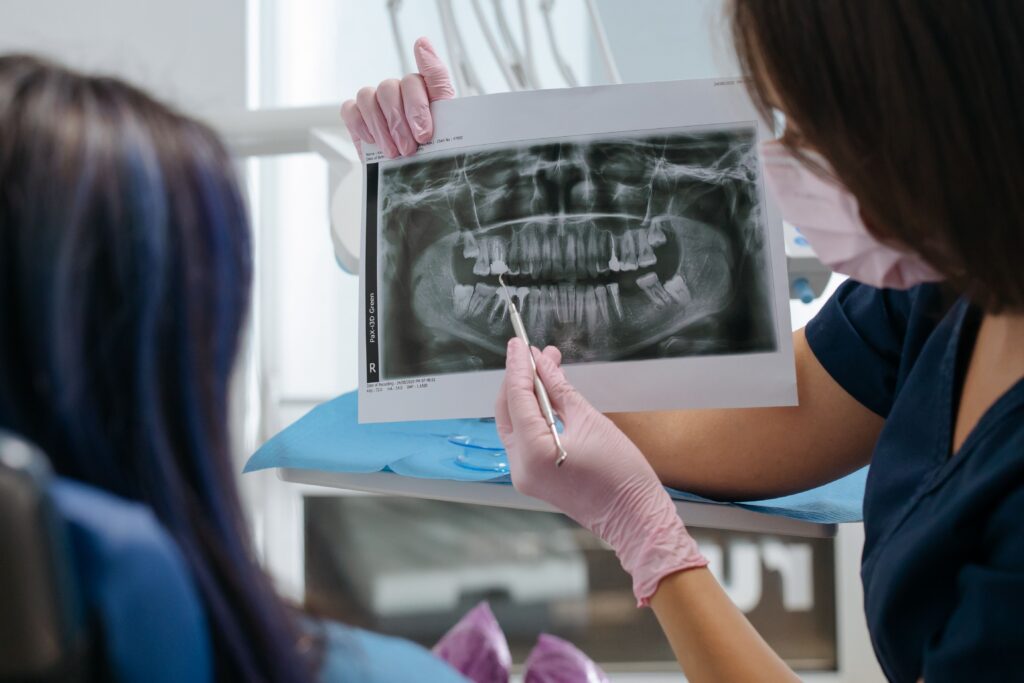
Dental X-rays may also be recommended to determine how far the decay has progressed beneath the surface and help guide treatment recommendations.
The goal is always to preserve your natural tooth whenever it is healthy and predictable to do so.
What Treatments May Save a Severely Decayed Tooth?
The appropriate treatment depends on the extent of the damage.
If enough healthy tooth structure remains, a filling may be sufficient to restore the tooth. Larger cavities may require a dental crown to strengthen and protect the remaining tooth.
If decay has reached the pulp, root canal treatment may be recommended to remove infected tissue while preserving the natural tooth. After a root canal, a dental crown is often placed to help restore strength and function.
Your dentist will recommend the treatment that best fits your individual situation after completing a thorough evaluation.
When Might a Tooth Need to Be Extracted?
Unfortunately, not every severely decayed tooth can be saved.
Extraction may be recommended if:
- Too little healthy tooth structure remains to support a restoration
- The tooth has sustained extensive damage below the gumline
- Severe infection has compromised the tooth beyond predictable repair
- Preserving the tooth may negatively affect your long-term oral health
If extraction is the healthiest option, your dentist will also discuss replacement options that can help restore your smile and oral function.
Why Early Treatment Matters
One of the biggest factors in saving a tooth is seeking treatment early.
The longer a cavity is left untreated, the more likely it is to spread deeper into the tooth. Early treatment often allows for more conservative restorative options, while delaying care may increase the likelihood of needing more extensive procedures.
Regular dental examinations also play an important role by identifying cavities before they become severe.
When Should You Schedule an Appointment?
If you have a toothache, notice a visible cavity, or think a tooth may be severely decayed, don’t wait for the problem to worsen. An examination can determine the extent of the damage and whether the tooth can still be restored.
At Southtown Family Dental, we believe in preserving natural teeth whenever possible through compassionate, personalized care. If you’re concerned about a severe cavity, contact Southtown Family Dental to schedule an evaluation. We’ll carefully assess your tooth, explain your treatment options, and recommend the approach that’s best suited to your individual oral health needs.
Frequently Asked Questions
Can a severely decayed tooth always be saved?
Not always. Whether a tooth can be saved depends on factors such as the amount of healthy tooth structure remaining, whether the decay has reached the pulp, and the condition of the surrounding bone and gums. A comprehensive dental examination and any necessary X-rays help determine the most appropriate treatment.
How do dentists treat a severe cavity?
Treatment depends on the extent of the damage. Smaller areas of decay may be restored with a filling, while larger cavities may require a dental crown for additional strength and protection. If the decay has reached the tooth’s pulp, root canal treatment may be recommended to preserve the natural tooth. Your dentist will recommend the treatment that best fits your individual needs.
Will I always need a tooth extraction if I have a large cavity?
No. Dentists generally aim to preserve natural teeth whenever possible. Many severely decayed teeth can still be restored with appropriate treatment. However, if the damage is too extensive to support a predictable restoration or would compromise your long-term oral health, extraction may be the healthiest option.
What happens if I wait too long to treat a severe cavity?
Untreated cavities continue to grow over time. As decay progresses, it may reach the tooth’s pulp, increasing the likelihood of infection and the need for more extensive treatment. Seeking care early often provides more options for preserving the tooth.
When should I schedule an appointment for a severe cavity?
If you’re experiencing persistent tooth pain, sensitivity, swelling, or notice a visible hole or dark area in a tooth, it’s important to schedule a dental evaluation promptly. Even if the tooth isn’t painful, a large cavity should be examined before it has the opportunity to worsen.

